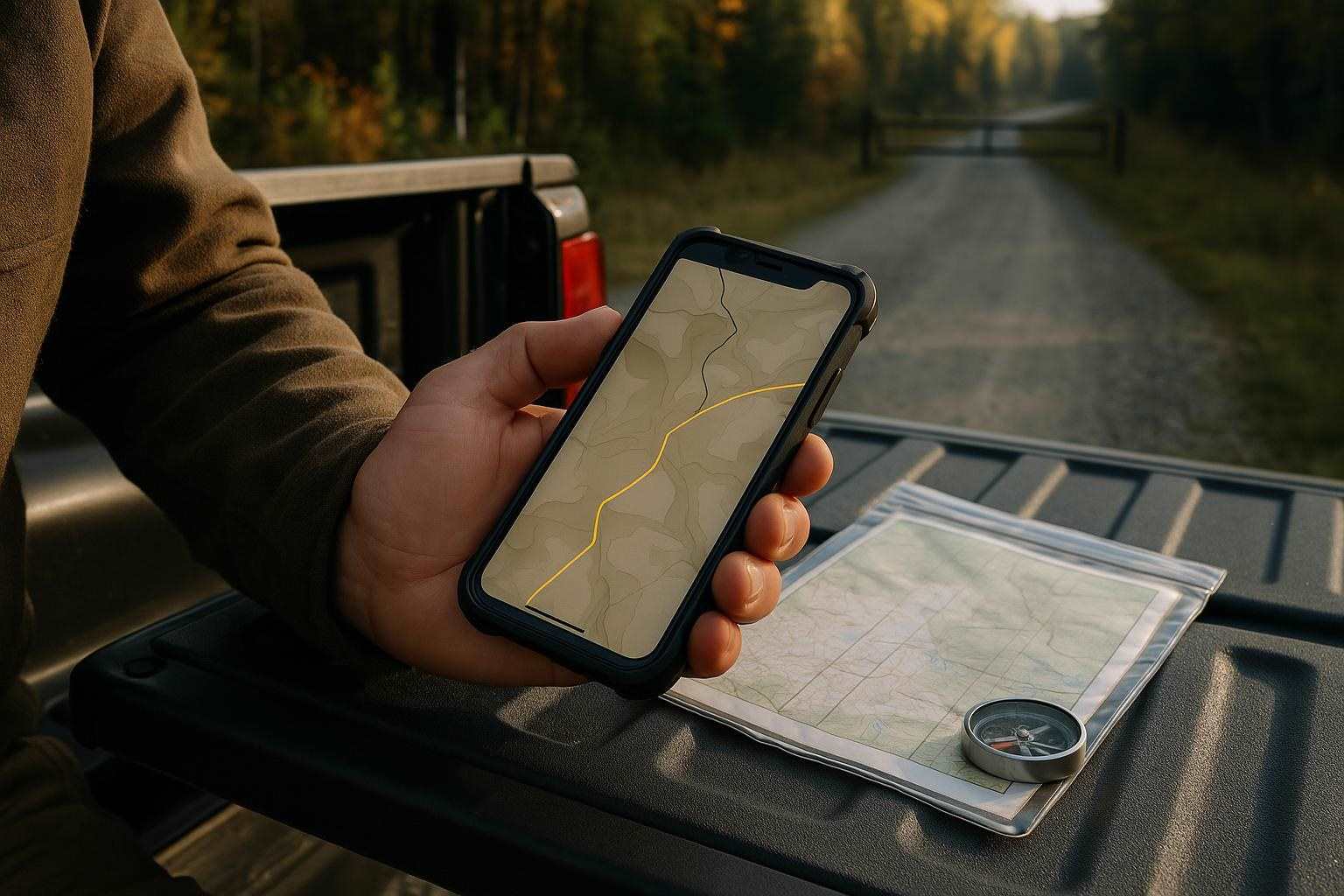
Preparing Your Truck for a Public-Land Hunt
When the public-land hunting trip prepares to start a public-land hunting trip the public-land hunting trip hopes to avoid surprises that could ruin the plan. The public-land hunting trip sometimes finds a gate that's closed a sign that lists special limits or a restriction on the public-land hunting trip's chosen hunting equipment near the access road. The public-land hunting trip can usually avoid these problems by thinking and planning a little before leaving. The public-land hunting trip spends time on a pre-trip check to protect the hunt to make the encounter with law enforcement smoother and to stop problems for landowners and other hunters.
Know Your Specific Hunting Location
Before the public-land hunting trip thinks that every area is open during hunting season the public-land hunting trip must identify the spot for the public-land hunting trip. A general season summary can start the process. It may miss important details that differ from one place to another. Public lands, wildlife management units, military parcels, national forests and private lands normally have rules that do not match the season guidelines.
Write down the name of the hunting parcel, the county and the game‑management unit. Note the access point. The public-land hunting trip should compare this information with the rules from the land agency that manages the parcel. A map pin can help the public-land hunting trip get directions but it does not prove the parcel belongs to the public-land hunting trip or that the public-land hunting trip is allowed to hunt. The public-land hunting trip can misread lines because they may follow a river or a fence, which can hide the true limits.
When the public-land hunting trip meets advice from different official sources the public-land hunting trip should not choose the easier option. The public-land hunting trip can. Write to the proper agency for a clear answer or the public-land hunting trip can delay the public-land hunting trip until a final decision is known.
Understand the Nuances of Season Dates and Equipment Rules
The public-land hunting trip must know that a date inside the legal hunting season does not automatically allow every hunting method. The public-land hunting trip faces rules for each tool from bows to rifles and each tool can have special limits that depend on the species the game area or the parcel chosen.
The public-land hunting trip should focus on the differences in the rules. The public-land hunting trip learns about limits on ammunition, sight types, magazine size and even transport modes, all of which can differ. The public-land hunting trip must understand every definition and exception before leaving. If the public-land hunting trip's plan relies on a particular gear set the public-land hunting trip should keep an paper copy of the rules before the trip. The public-land hunting trip can take screenshots. Paper copies are best when the signal is weak.
When the public-land hunting trip is unsure if a gear is allowed the public-land hunting trip can bring another gear that clearly follows the rules or the public-land hunting trip can choose a spot for the public-land hunting trip. The change may mean a plan but the benefit is avoiding rushed decisions that could harm the public-land hunting trip's reputation at the trailhead.
Assess Access Signs as Up-to-Date Information
The public-land hunting trip's guide may miss things that happen in the field. The public-land hunting trip must notice access signs that show conditions, such as closed roads, construction, fire bans or seasonal wildlife limits. The public-land hunting trip knows that these changes may have happened after the guide was made.
The public-land hunting trip should read each entrance sign even if the public-land hunting trip knows the spot well. The public-land hunting trip can take a picture of a sign to remember the facts but the picture does not replace following the sign's instructions.
The public-land hunting trip should not push past moving barriers ignore gates or think that closing a road means the whole land is closed. The public-land hunting trip learns that some rules affect vehicles while walking may still be okay or the opposite. The public-land hunting trip can check the guidance from the land manager. If the public-land hunting trip is unsure the public-land hunting trip can park in a spot or skip that place.
Develop a Contingency Plan
The public-land hunting trip's backup plan must cover more than weather or where the game goes. The public-land hunting trip should think about what to do if the chosen parcel is closed because of rules many people or if the parcel is not good for hunting.
The public-land hunting trip should pick a spot and study it as carefully as the first. The public-land hunting trip notes the borders, the access rules the species allowed, the season dates and the permits needed. A simple plan can help; the public-land hunting trip can do a navigation walk nearby or look for wildlife signs, which is usually better, than trying to hunt in a bad place.
Moreover a solid backup plan can ease the strain that comes from spots. When hunters have no options they may feel forced to squeeze into busy parking lots step into risky areas or accidentally trespass while chasing fallen game. Good preparation lets hunters make careful choices.
One-Minute Departure Checklist
To make sure you are ready to depart without missing anything keep a checklist that fits your trip exactly:
– Confirm that the parcel, unit, county and access point match the most recent official details.
– Verify the season dates species allowed and harvest permit rules.
– Make sure your gear and ammunition follow the regulations for that location.
– Check the access signs for any current closures or parking limits.
– Outline a backup location or a plan for non-hunting activities.
– Keep offline copies of regulations, maps, permits and emergency contacts.
Store this checklist with your map or hunting license of in a generic gear list. Its main goal is to break assumptions and spot mistakes just before you leave so changes become easier.
Making Informed Decisions
Hunting ethically does not stop at the shot. It involves thought about where and how you act in the field. A deep knowledge of regulations protects wildlife management, public access, private land rights and the strong sense of the hunting community.
Seasonal rules can. New updates may not line up with old printed guides. Always look for the official advice before every hunting trip-especially when you cross state lines or go into new areas. The final test is simple: if you cannot clearly explain why your hunt follows the law at that spot and, under those conditions you are not ready to go. Sometimes that means picking another spot or just doing a scouting walk without your gear. Good preparation not boosts your confidence it turns possible problems into clear choices.